Rwanda Car Rental vs. Guided Tours: Which Saves More Money?
Planning a Rwanda trip usually comes down to one of two paths: book a Rwanda car rental and arrange the rest yourself, or book a fully guided tour package that bundles everything together. Tour packages look simpler and often feel “safer” for a first trip, while car rental looks cheaper on paper. The real answer depends on what’s actually in each option — so here’s a proper breakdown of the costs and trade-offs.
What a Guided Tour Package Actually Includes
A fully guided Rwanda safari typically bundles the gorilla trekking permit, private 4×4 transport with a driver-guide, accommodation, meals, and park entrance fees into a single price. In 2026, a 3-day budget package generally starts around $2,450 per person, with mid-range packages running $3,800–$5,200, and luxury itineraries easily exceeding $7,500. The $1,500 gorilla permit alone accounts for a large share of even the budget tier.
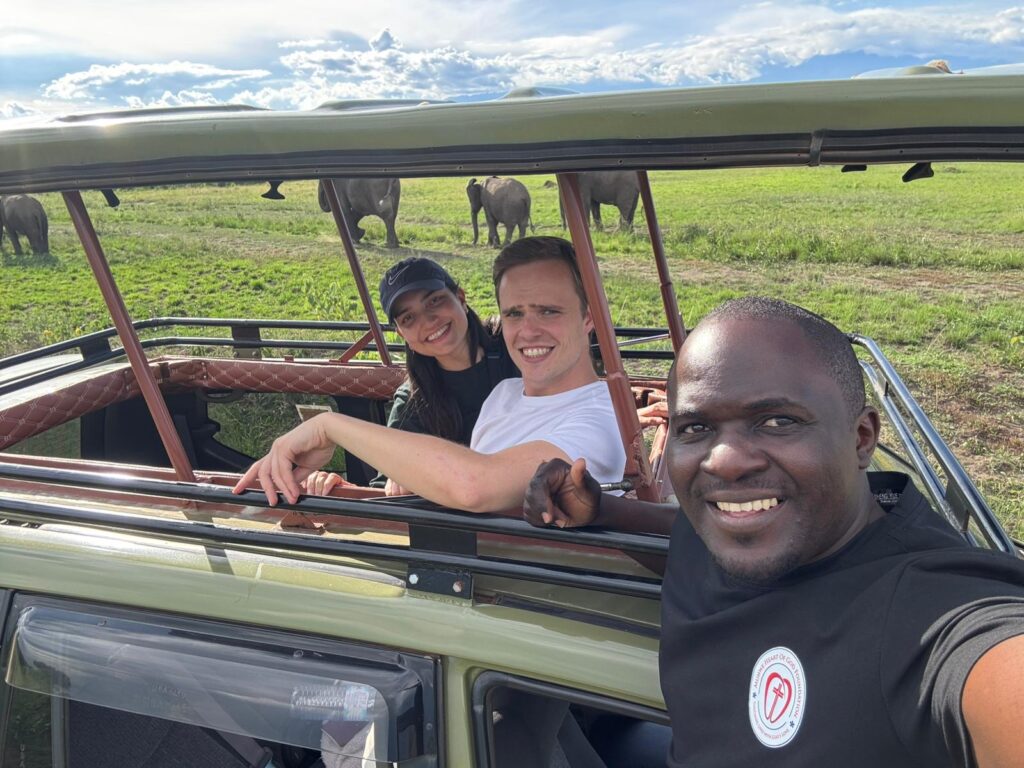
The appeal is straightforward: one price, one point of contact, and no logistics to sort out yourself. The trade-off is that you’re paying for the operator’s overhead, marketing, and margin on top of the actual trip costs — and you often have less flexibility to adjust the itinerary once it’s booked.
What Car Rental (With or Without a Driver) Actually Costs
Arranging your own transport gives you more control over where your money goes:
- Self-drive RAV4 or similar: roughly $50–$80 per day, though not recommended for the rougher terrain near Volcanoes National Park.
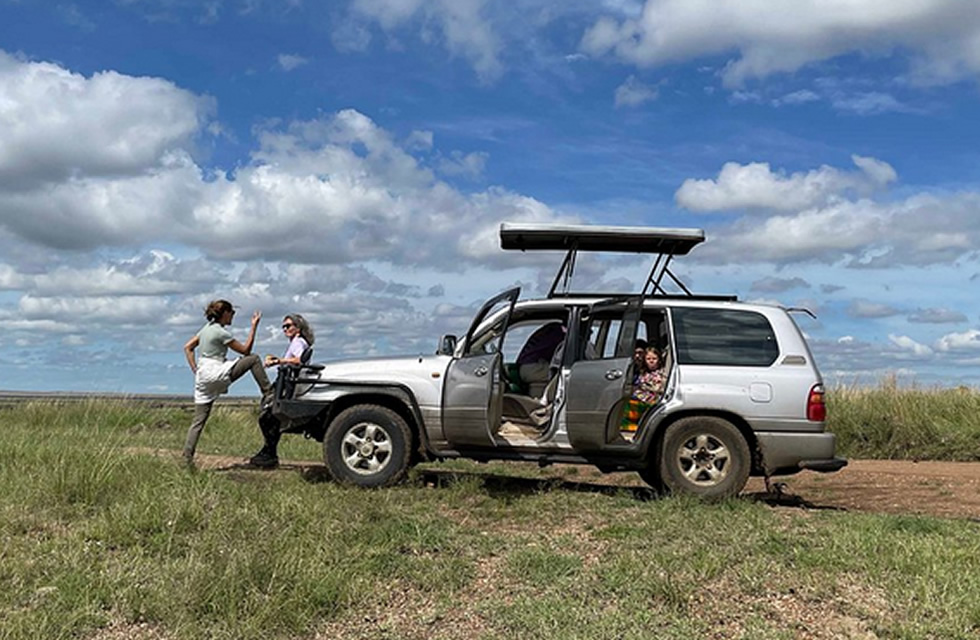
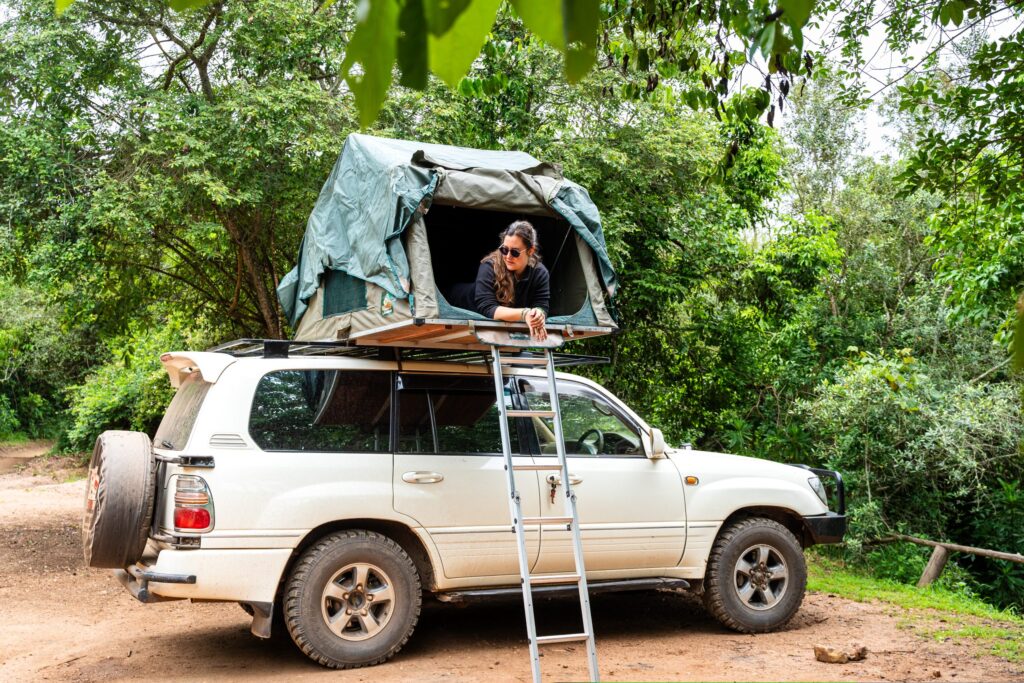
- Driver-guided 4×4 (5-seater): roughly $150–$200 per day, including the vehicle, driver, and comprehensive insurance, usually excluding fuel.
- Extended driver-guided 4×4 (7-seater): roughly $250–$300 per day, a good option for groups splitting the cost.
- Fuel for a typical 3-day Kigali–Volcanoes circuit: roughly $120–$180 total.
- Guide tip: around $15–$25 per day, standard practice on top of the vehicle rate.
You then book accommodation, the gorilla permit, and meals separately, at the actual market rate rather than a bundled markup.
The Real Comparison
Take a straightforward 3-day gorilla trekking trip for one traveler as an example:
Guided tour package (budget tier): around $2,450 total, everything included.
Arranged independently:
- Gorilla permit: $1,500
- Driver-guided 4×4 for 3 days: $450–$600
- Fuel: $120–$180
- Guide tip: $45–$75
- Mid-range accommodation for 2 nights: roughly $200–$600 depending on choice
- Meals: roughly $60–$100
That lands somewhere around $2,375–$2,955 depending on accommodation choice — comparable to the budget tour package, and often cheaper once you shop accommodation carefully, since you’re not paying a bundled operator margin on top of it. The gap widens further on longer trips or larger groups, where a shared driver-guided vehicle cost splits across multiple people while a per-person tour package price generally doesn’t discount as steeply.
Where Guided Tours Win
Guided tours aren’t just about price — they solve for convenience and certainty, and that’s worth something real:
- One booking, one price, no logistics to coordinate. For travelers who don’t want to research accommodation, confirm permit timing, or plan a route themselves, this alone can be worth the markup.
- Bundled risk. If something changes — a flight delay, a permit reschedule — a tour operator typically absorbs and manages that disruption as part of their service.
- Group tours can be genuinely cheaper per person. Some operators link solo travelers into shared group tours, splitting the vehicle and fuel costs across several people in a way that’s harder to arrange independently unless you’re already traveling with others.

Where Independent Car Rental Wins
- You control every line item. No markup on accommodation, no bundled add-ons you don’t need.
- Flexibility to adjust your itinerary on the fly, extend a stay, or change plans without renegotiating a fixed package.
- Better value for groups. A driver-guided vehicle price is per vehicle, not per person — a group of four sharing a $250/day extended 4×4 pays roughly $62.50 each for transport, often undercutting a bundled per-person tour rate.
- Full transparency on where your money goes, which matters to travelers who want to understand and control their spending rather than accept a single bundled figure.
The Honest Trade-Off
Independent car rental in Rwanda (self-drive or driver-guided) generally saves money for travelers willing to spend a bit of time researching accommodation, confirming permit logistics, and coordinating their own itinerary — particularly for groups splitting vehicle costs. Guided tour packages save time and remove decision-making, at a real but often modest premium once you compare like-for-like inclusions rather than sticker prices alone.
Given Rwanda’s tightly regulated gorilla trekking system — non-transferable permits, strict timing, and terrain that genuinely requires the right vehicle — the biggest risk with going fully independent isn’t the driving itself, it’s getting the logistics wrong and losing a permit or missing a trek slot. That’s exactly where a local driver-guide service closes the gap: you keep the cost advantage of arranging things independently, while getting the local timing knowledge and vehicle reliability that a tour package would otherwise be selling you.
Final Thoughts
Neither option is universally cheaper. Guided tours make sense for travelers who value complete convenience and are willing to pay for it; independent car rental — ideally with a knowledgeable local driver-guide rather than fully self-drive — tends to save real money for travelers comfortable coordinating a few extra pieces themselves, without giving up the local expertise that protects an expensive gorilla permit from a costly mistake.
Planning to rent a car in Rwanda or book a fully-packaged tour? Get in touch with us for a transparent, itemized quote on driver-guided 4×4 rental — so you can compare it directly against any guided tour package before you book.
Note: Prices for permits, accommodation, and vehicle rental can change with season and demand. Always confirm current rates before finalizing your budget.