10 Safari Mistakes First-Time Visitors Make in Rwanda
Rwanda safaris — especially gorilla trekking — run on tighter rules and timelines than most other African safari destinations. A small oversight here can mean a missed trek, a wasted permit, or an uncomfortable surprise at the airport. Here are the ten mistakes first-time visitors make most often, and how to avoid each one.
1. Booking Gorilla Permits Too Late
Rwanda issues a limited number of gorilla trekking permits per day, and demand regularly outstrips supply, especially during the June–September and December–February peak seasons. First-timers who assume they can sort out a permit closer to their travel dates often find their preferred dates, or any dates at all, unavailable. Book your permit months in advance, ideally as soon as your travel dates are fixed.
2. Underestimating the Physical Demands of Trekking
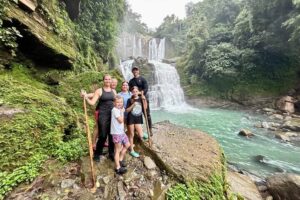
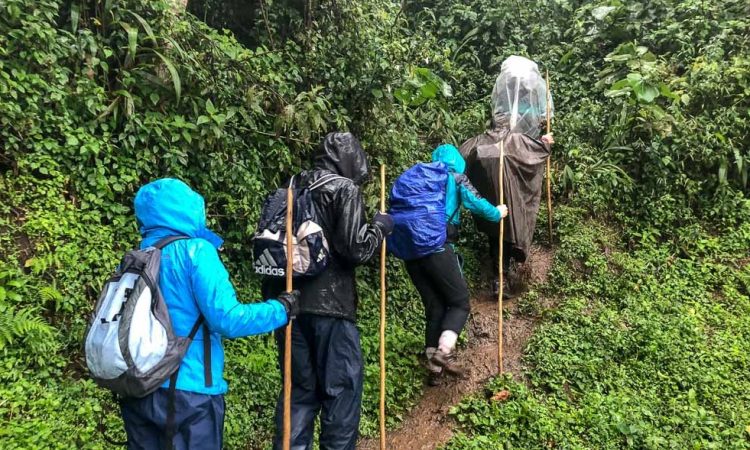
Gorilla trekking isn’t a casual walk. Depending on where the gorilla family is located that day, treks can involve several hours of hiking through steep, muddy, high-altitude terrain in Volcanoes National Park. Visitors who arrive without any physical preparation, or who don’t disclose health conditions honestly when booking, sometimes find the trek far harder than expected. Come reasonably fit, and be honest about your fitness level when your trek group is assigned — porters are available to help carry gear and offer a hand on tough sections, and it’s worth hiring one even if you feel fit enough to manage without.
3. Packing the Wrong Clothing
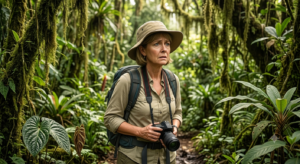
Long trousers tucked into socks, sturdy waterproof hiking boots, and gardening-style gloves for pushing through nettles and undergrowth aren’t optional extras — they’re what makes the trek bearable. Cotton and light clothing that seemed fine for a savannah safari elsewhere in East Africa won’t hold up on Rwanda’s damp, vegetation-heavy volcanic slopes.
4. Forgetting the Yellow Fever Vaccination Certificate
Rwanda requires proof of yellow fever vaccination for entry from certain countries, and immigration officials do check. Travelers who forget this document, or assume it won’t be enforced, risk real delays or complications at the border. Confirm the current requirement for your specific nationality and travel history well before you fly.
5. Treating Rwanda’s Park Rules Like Other East African Countries
Rwanda’s approach to conservation tourism is deliberately different from Kenya’s or Tanzania’s — fewer visitors, stricter rules, and a strong emphasis on low-impact tourism. Off-road driving, close vehicle approaches to wildlife, and casual flash photography that might be tolerated elsewhere are far more strictly controlled in Rwanda’s parks. Assuming the same rules apply everywhere in East Africa is a common and easily avoided mistake — confirm the specific rules for each park with your guide before you go.
6. Using Flash Photography Near the Gorillas
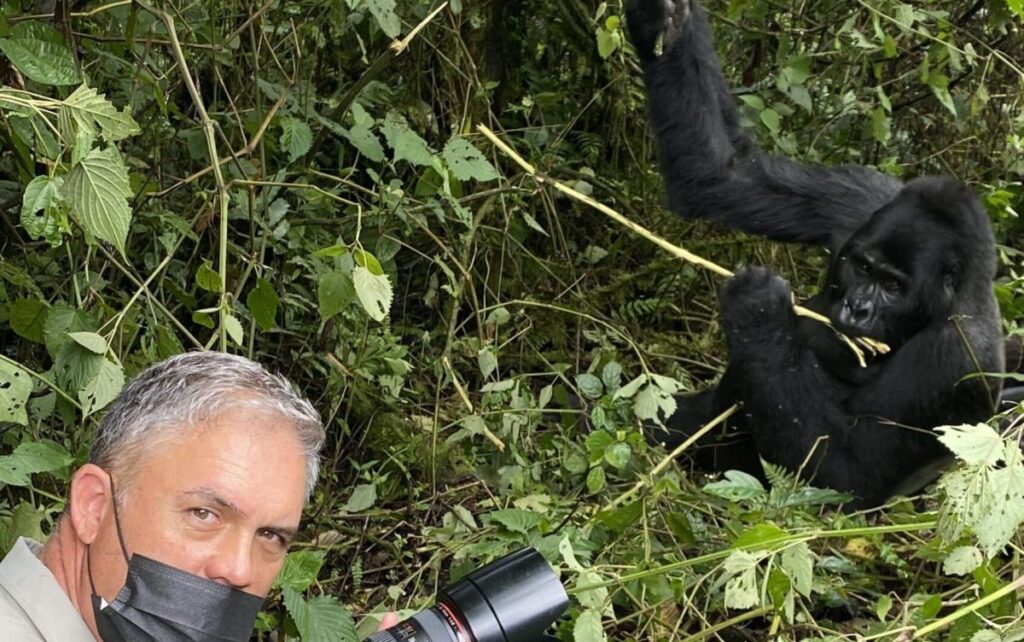
Flash photography is prohibited during gorilla trekking, both to protect the animals and to preserve the experience for everyone in the group. First-time visitors sometimes forget this in the excitement of the moment. Set your camera up for low-light, no-flash shooting before you reach the gorillas, not once you’re already there.
7. Not Budgeting Beyond the Permit
The $1,500 gorilla trekking permit is the headline cost, but it doesn’t include transport, accommodation, park entrance fees for other destinations, porter tips, or guide gratuities. Travelers who budget only around the permit are often caught off guard by how much the full trip actually costs once these pieces are added up. Build a full trip budget from the start, not just the permit price.
8. Choosing the Wrong Vehicle for the Route
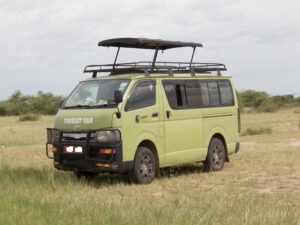
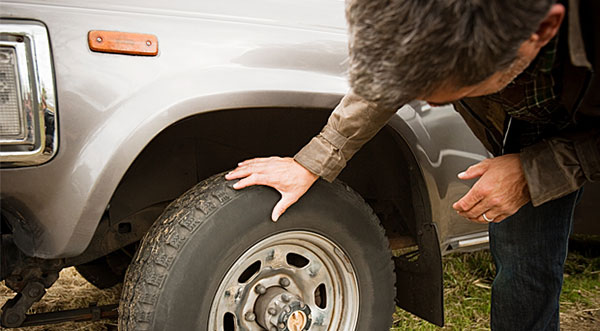
The main road from Kigali to Musanze is well paved, which leads some first-time self-drive travelers to assume the whole trip will be easy driving. The final stretch toward Volcanoes National Park trailheads is rougher, rutted terrain that a standard sedan or budget SUV struggles with. Confirm you have a genuine 4×4 for the full route, not just the highway portion.
9. Skipping Travel Insurance That Covers Trekking
Given the cost of the gorilla permit and the physical demands of trekking, travel insurance that specifically covers trekking activities and emergency evacuation is worth the investment — yet it’s one of the most commonly skipped items by first-time visitors trying to trim costs elsewhere. If something goes wrong on a steep, remote trail, standard travel insurance without trekking or evacuation cover can leave you exposed at exactly the wrong moment.
10. Confusing Gorilla Trekking With Chimpanzee Trekking
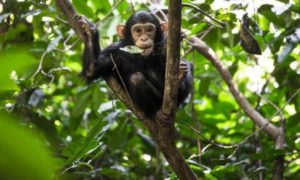
Rwanda offers both gorilla trekking in Volcanoes National Park and chimpanzee tracking in Nyungwe National Park, and first-timers sometimes conflate the two when planning — different permits, different parks, different physical demands, and a significant price difference between them. Confirm exactly which trek you’re booking, and don’t assume one permit covers both experiences.
Final Thoughts
Nearly every mistake on this list comes down to the same root cause: treating a Rwanda safari like a more generic East African trip rather than the specific, tightly regulated experience it actually is. A little extra preparation — booking early, packing right, understanding the rules, and budgeting for the full trip rather than just the permit — makes the difference between a stressful first visit and a genuinely smooth one.
Planning your first Rwanda safari? Get in touch with Rent A Driver Rwanda for a 4×4 and experienced local driver who knows exactly what your itinerary needs, from Kigali to the trailhead.