How a Local Driver Can Save You Money on a Rwanda Safari
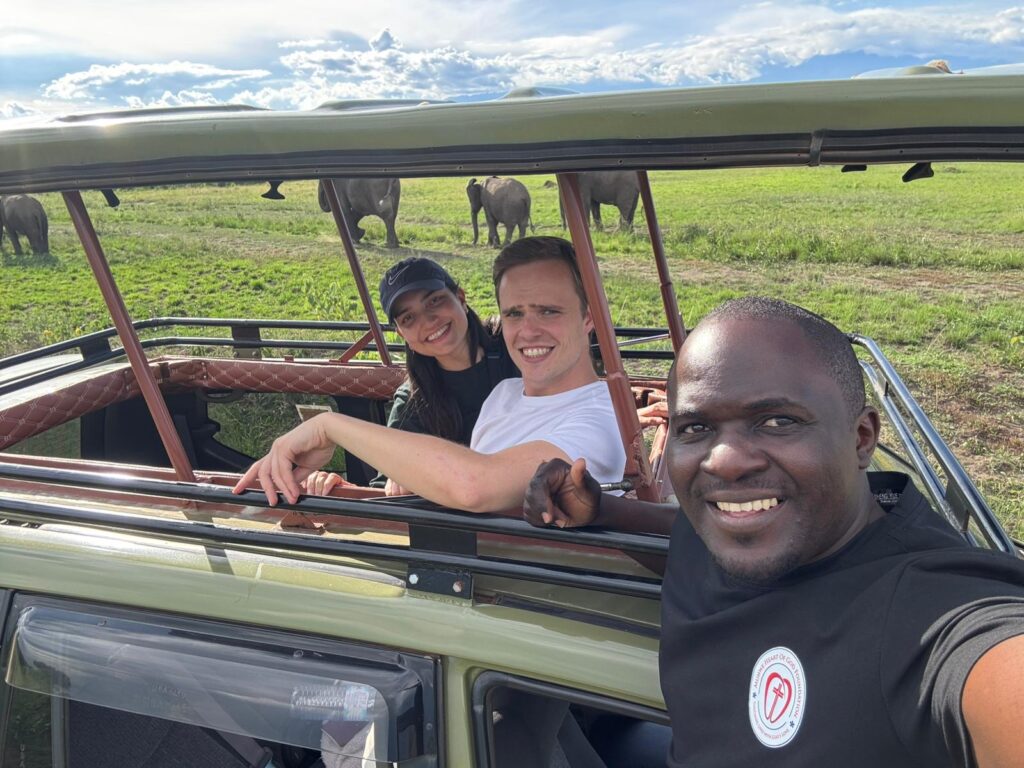
At first glance, hiring a driver for a Rwanda safari looks like the more expensive option. Self-drive rentals quote lower daily rates, and it’s tempting to assume that navigating yourself is the budget-friendly choice by default. In practice, a local driver often ends up saving travelers money once the full trip is accounted for — not just in cash, but in avoided costs that rarely show up on a self-drive quote. Here’s how.
Rwanda’s Roads Make the Wrong Vehicle an Expensive Mistake
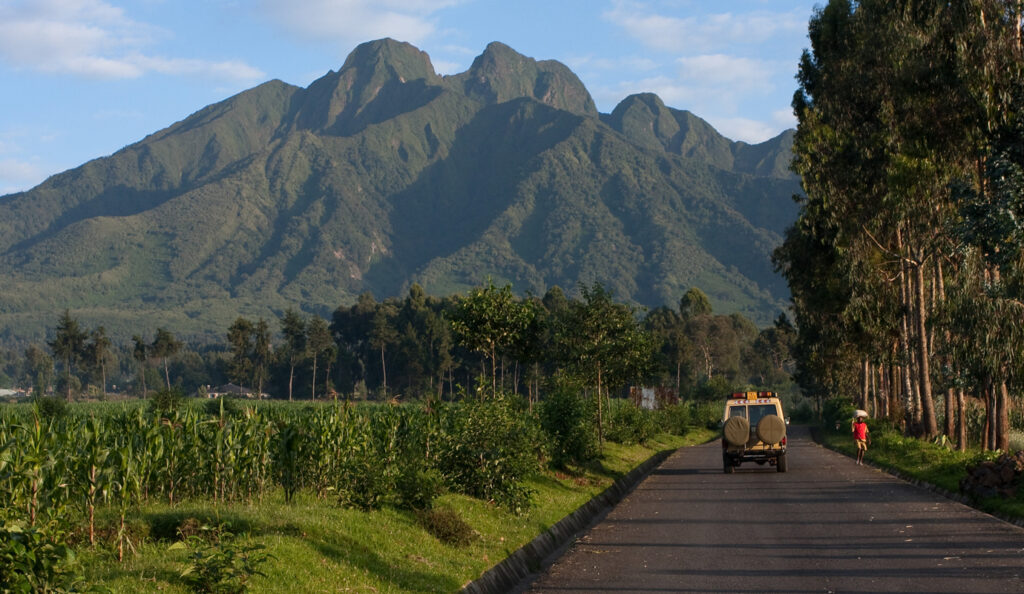
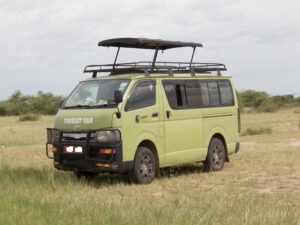
The drive from Kigali to Musanze, the base for most gorilla trekking, is well paved and takes around two to three hours. But the “last mile” toward Volcanoes National Park and other rural trailheads is a different story — rutted, steep, and genuinely demanding terrain that a standard rental sedan or budget SUV isn’t built for. A self-drive traveler who books a smaller, cheaper vehicle to save money often ends up needing a rescue, a vehicle swap, or worse, damage that eats straight through their security deposit. A local driver already knows which vehicle actually handles the route, so you’re not gambling your deposit on a guess.
The Insurance Excess Nobody Reads Closely
Self-drive rentals almost always carry an insurance excess — the amount you’re personally liable for before insurance kicks in — and on 4×4 vehicles this can run from a few hundred dollars up to $1,000 or more. Many budget self-drive policies also exclude damage sustained off tarmac entirely, which matters enormously in a country where most safari and trekking routes run on unpaved roads. A local driver, by contrast, typically drives a vehicle already insured and maintained for exactly these conditions, with that risk built into the daily rate rather than sitting as a nasty surprise on your credit card statement afterward.
Local Knowledge Prevents Costly Detours and Delays
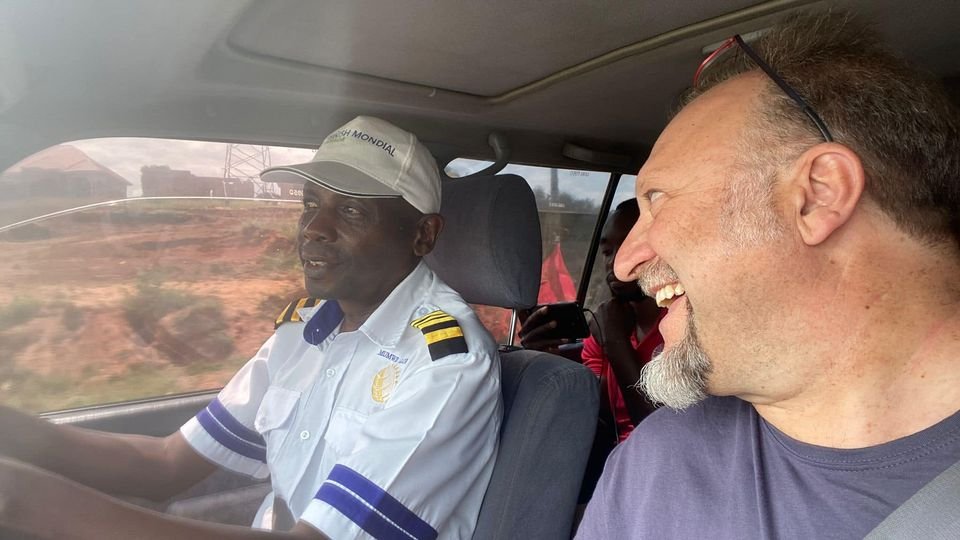
Getting lost or taking the wrong route in Rwanda isn’t just an inconvenience — it burns fuel, eats into your trekking start time, and can mean missing your assigned gorilla trekking group’s departure. Gorilla permits are non-transferable and non-refundable, so a late arrival caused by a wrong turn can mean losing a $1,500 permit outright. A local driver who does this route regularly removes that risk entirely, and that single mistake avoided is worth more than any daily rate difference between self-drive and driver-guided options.
Fuel Efficiency You Don’t Get as a First-Time Visitor
Self-driving in an unfamiliar country almost always means covering more distance than necessary — wrong turns, backtracking, and cautious low-speed driving on unfamiliar roads all add up in fuel costs over a multi-day trip. A local driver who knows the most direct, safest route from Kigali to Volcanoes National Park, Nyungwe, or Akagera simply covers less unnecessary distance, which adds up meaningfully on longer circuits.
Splitting the Cost Across a Group
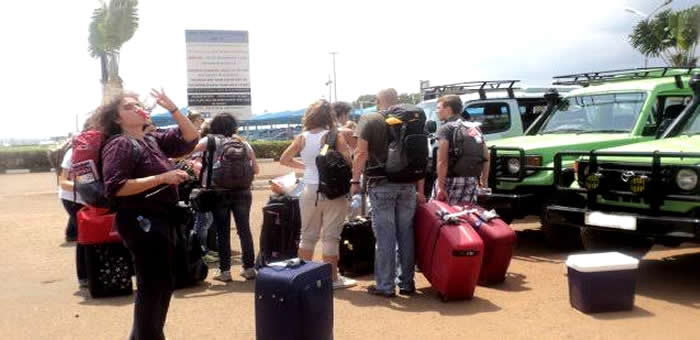
A driver-guided 4×4 is priced per vehicle, not per person. For a group of four traveling together, a $200–300 per day driver-guided safari vehicle works out to $50–75 per person, per day — often cheaper than the combined cost of multiple self-drive rentals, especially once fuel, insurance, and the risk of vehicle damage are factored in for each separate car.
Avoiding the Hidden Cost of Time
Every hour spent navigating, backtracking, or double-checking a route is an hour not spent trekking, game viewing, or simply enjoying the trip you paid for. On a short 3–5 day Rwanda safari — often built entirely around a single, expensive gorilla permit — time is arguably the most valuable resource on the entire itinerary. A local driver protects that time in a way a lower self-drive rate can’t compensate for.
Guide Value on Top of Driving
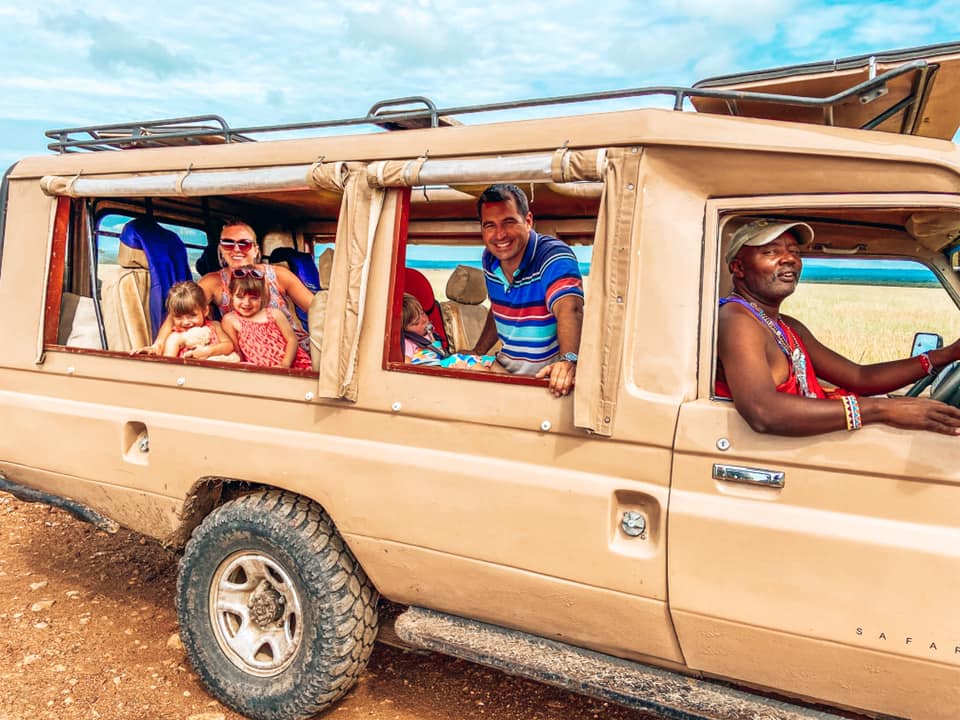
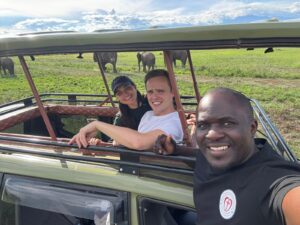
Many local drivers in Rwanda double as informal guides, offering context on the culture, landscape, and wildlife along the way that a self-drive trip simply doesn’t include. This isn’t a direct cost saving, but it does mean you’re getting meaningfully more from the same trip — arguably making the driver-guided option better value, not just comparable cost, once you weigh what’s actually included.
When Self-Drive Still Makes Sense
None of this means self-drive is always the wrong call. Confident, experienced travelers sticking to Rwanda’s well-paved main highways, with no gorilla trekking permit riding on precise timing, can still save money self-driving — particularly for short, simple trips like a straightforward Kigali city stay. The calculation shifts once your itinerary includes rural park roads, tight permit timing, or unfamiliar rural navigation, which describes most Rwanda safari itineraries.
The Real Comparison
| What Self-Drive Saves You | What a Local Driver Protects You From |
|---|---|
| Lower quoted daily rate | Insurance excess on off-road damage |
| No driver fee | Missed or delayed gorilla trekking group |
| — | Getting the wrong vehicle for rural roads |
| — | Wasted fuel from wrong turns and backtracking |
| — | Lost time that could be spent on the actual trip |
Final Thoughts
A local driver isn’t just a comfort upgrade — on a Rwanda safari, it’s often the more financially sensible choice once you account for insurance risk, permit timing, fuel efficiency, and the sheer value of time on a trip built around a single, expensive gorilla trekking permit. The lower self-drive rate looks appealing on paper, but the full cost only becomes clear once something goes wrong — and in Rwanda’s terrain, something going wrong is a real possibility worth planning around, not just an unlikely edge case.
Planning a Rwanda safari? Get in touch with Rent A Driver Rwanda for a transparent quote on a driver-guided 4×4, built around your gorilla trekking permit and full itinerary — no surprises, no hidden insurance risk.
Note: Prices for permits, vehicle rental, and driver services can change. Always confirm current rates with our team when you book.