Rwanda Car Rental Payment Options: What Works Best in 2026

Rwanda has positioned itself as one of Africa’s most technologically advanced nations, and this progressive approach extends to the car rental industry. As 2026 unfolds, travelers have more payment options than ever before when renting vehicles in this beautiful East African country. Understanding which payment method works best for your situation can save money, prevent complications, and ensure a smoother rental experience. This comprehensive guide explores all available Rwanda car rental payment options and helps you make the most informed choice.
Credit Cards: The Industry Standard
Credit cards remain the most widely accepted and recommended payment method for car rentals in Rwanda. International rental companies and reputable local operators universally accept major credit cards including Visa, Mastercard, and American Express. Using a credit card offers several compelling advantages that make it the preferred option for most travelers.
First and foremost, credit cards provide the security deposit mechanism that rental companies require. Most agencies hold a temporary authorization on your card—typically between $500 and $1,500 depending on the vehicle class—which is released after you return the car undamaged. This authorization doesn’t actually charge your account but simply blocks those funds temporarily, usually releasing them within 5 to 14 days after rental completion.

Additionally, many premium credit cards offer valuable rental car insurance as a complimentary benefit when you use the card to pay for the rental. This coverage can save you significant amounts by allowing you to decline the rental company’s collision damage waiver. However, verify your specific card’s benefits before traveling, as coverage varies by issuer and card type. Some cards exclude coverage in certain countries or for specific vehicle types like luxury cars or large SUVs.
Credit cards also provide superior fraud protection and dispute resolution mechanisms. If unauthorized charges appear or if you encounter billing disputes with the rental company, your credit card issuer can intervene on your behalf, offering a layer of consumer protection that other payment methods lack.
The primary drawback of credit cards is that some smaller, local rental operators may add surcharges of 2-5% for credit card transactions to offset processing fees. Always confirm whether such fees apply before finalizing your booking.
Debit Cards: Proceed with Caution
While some Rwanda car rental companies accept debit cards, this option comes with significant limitations and risks. The fundamental issue is that debit card holds directly impact your available cash, unlike credit card authorizations. When a rental company places a $1,000 hold on your debit card, that money becomes inaccessible in your account for the duration of the rental plus several days or even weeks afterward.
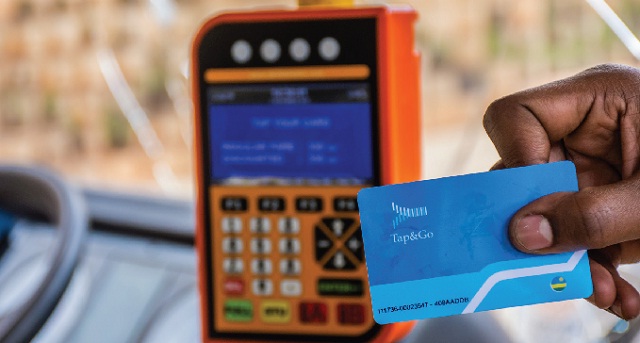
This can create serious financial complications, especially for budget-conscious travelers who need access to their funds for accommodation, meals, and activities. Moreover, many rental agencies impose stricter requirements for debit card rentals, including higher deposit amounts, additional identification documents, or proof of return travel.
International debit cards may also incur substantial foreign transaction fees—often 3% or more per transaction—making them more expensive than credit cards that offer no foreign transaction fees. If you must use a debit card, contact the rental company in advance to understand their specific policies and ensure your card will be accepted.
Mobile Money: Rwanda’s Digital Innovation
Rwanda has embraced mobile money technology enthusiastically, with services like MTN Mobile Money and Airtel Money deeply integrated into daily commerce. In 2026, an increasing number of local car rental companies accept mobile money payments, reflecting the country’s digital-first approach to financial transactions.
Mobile money offers distinct advantages for certain travelers. If you’re spending extended time in Rwanda and have established a local mobile money account, this payment method eliminates currency conversion fees and provides instant transaction confirmation. It’s particularly useful for paying rental balances, additional fees, or extending your rental period.

However, mobile money has significant limitations for international visitors. Setting up a mobile money account requires a Rwandan phone number and local SIM card, which involves additional time and administrative steps. Most importantly, mobile money cannot facilitate the security deposit hold that rental companies require, meaning you’ll still need a credit card for this component even if you pay the rental fee via mobile money.
For international tourists on short visits, mobile money’s setup requirements typically outweigh its benefits. It works best for long-term visitors, expatriates, or those already integrated into Rwanda’s digital payment ecosystem.
Cash Payments: Limited Acceptance
Cash payments, whether in Rwandan Francs (RWF) or US Dollars, face declining acceptance in the Rwanda car rental sector. While some smaller operators may accept cash for the rental fee itself, virtually no reputable company accepts cash for security deposits. The rental industry’s standard practice requires a card-based hold to protect against damages, late returns, or traffic violations discovered after you’ve departed.
If you arrange a cash payment for the rental fee, you’ll almost certainly still need a credit card for the deposit. This dual-payment approach adds unnecessary complexity without providing real benefits. Cash payments also lack the fraud protection, transaction records, and dispute resolution mechanisms that card payments offer.
US Dollars remain widely recognized in Rwanda, and some rental companies quote prices in USD while accepting payment in either USD cash or RWF. However, exchange rates offered by rental companies rarely match official rates, potentially costing you money. If paying cash, use RWF obtained from banks or official exchange bureaus for better rates.
Bank Transfers: For Advance Bookings
Some Rwandan rental companies accept international bank transfers for advance payments, particularly for long-term rentals or large bookings. This method works well for corporate rentals or extended stays where significant amounts are involved. Bank transfers can avoid credit card processing fees and provide clear documentation for business expense tracking.
The downsides include transfer fees charged by both sending and receiving banks, slower processing times (often 3-5 business days), and unfavorable exchange rates. Additionally, you’ll still need a credit card for the security deposit when collecting the vehicle.
The Verdict: What Works Best?
For the vast majority of travelers visiting Rwanda in 2026, a major credit card remains the optimal payment method. It provides universal acceptance, enables security deposits, offers potential insurance benefits, and delivers superior consumer protection. Ensure your card has no foreign transaction fees and sufficient available credit to cover both the rental cost and security deposit hold.
Mobile money represents an intriguing option for long-term visitors willing to invest in local digital infrastructure, while cash and bank transfers serve niche situations but lack the flexibility and protection most travelers need. Whatever method you choose, confirm acceptance with your rental company before arrival to avoid unpleasant surprises and ensure a seamless rental experience in the Land of a Thousand Hills.
Planning to rent a car in Rwanda for self drive or driver-guided adventure- simply contact us now by sending an email to info@rentadriverrwanda.com or call us now on +256-700135510 to speak with the reservations team.